
Acrylic vs Polycarbonate: Which Should You Choose?
By Plastix Team
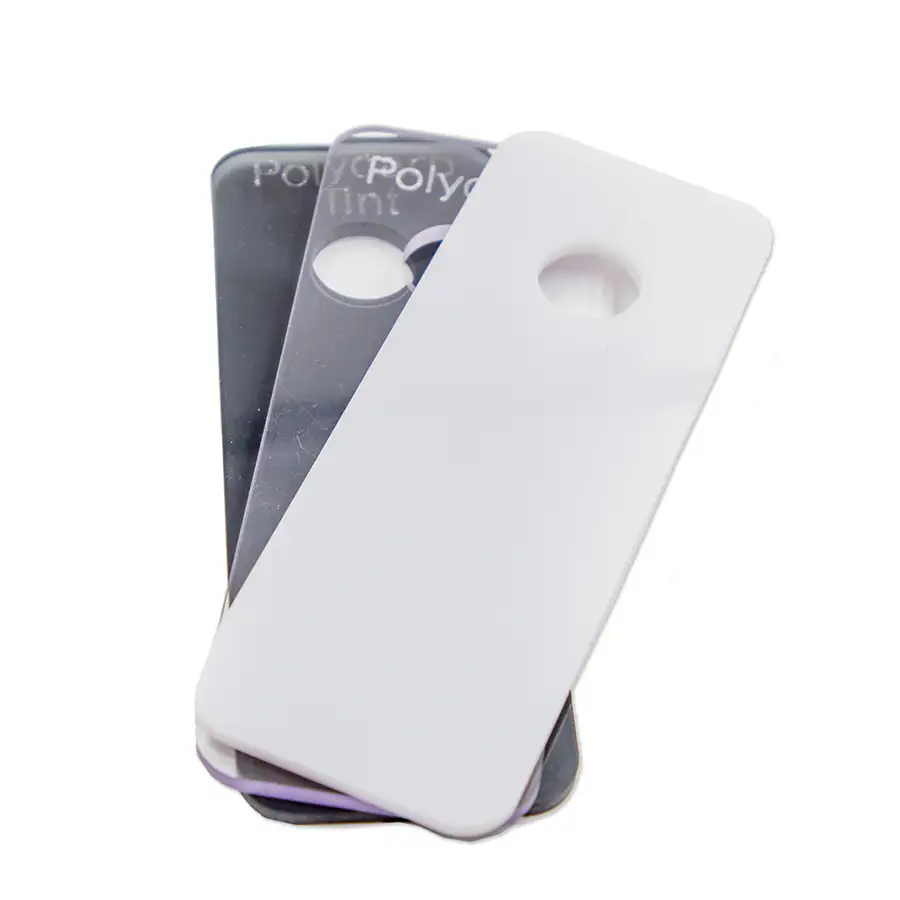
Choose acrylic when the priority is a clear display, colour choice or a polished edge. Start with polycarbonate when impact resistance matters more. The right sheet still depends on its grade, thickness, fixings and use; neither material is scratch-proof or suitable for every job.
Perspex is a brand of acrylic (PMMA), not a separate material. This guide compares acrylic and solid polycarbonate sheet for cut panels and fabricated parts. It does not cover multiwall roofing systems.
| Consider | Acrylic / Perspex | Solid polycarbonate |
|---|---|---|
| Where to start | Displays, lettering, signs and cases where appearance matters. | Covers and parts where resistance to impact is a priority. |
| Impact | Can crack under impact. Do not choose on appearance alone for a protective panel. | Generally more impact-resistant than acrylic. Performance depends on the specified sheet and installation. |
| Scratches | Generally a harder surface than uncoated polycarbonate, but still needs careful cleaning. | Standard sheet can scratch. Abrasion-resistant grades exist; ask about availability rather than assuming a coating. |
| Colour and finish | Plastix lists clear, coloured, frosted, mirror and matt options. Sizes and thicknesses vary by finish. | Check the clear and opal/tint guides for the listed options and thicknesses. |
| Outdoor use | Confirm the chosen finish and grade suit the exposure and fixing method. | Specify outdoor use so the team can confirm the required UV-protected grade. |
| Cutting at Plastix | Saw cutting for straightforward panels; laser cutting or CNC for suitable profiles and details. | Saw cutting or CNC for suitable panels and profiles. Our laser-cutting guide directs polycarbonate to these processes. |
Which should I use for a display or cover?
For a display case, menu holder or sign, start with acrylic and specify the finish, viewing faces and edge treatment. If a cover is likely to be struck, discuss polycarbonate and explain the impact risk before choosing a thickness.
For machine guarding or another protective application, a material name alone is not a design specification. Supply the approved drawing and performance requirements; the exact grade, thickness and installation need to be confirmed for the job.
What affects the price?
Compare like-for-like dimensions, thickness, finish and quantity. Cutting, holes, polished edges, assembly and delivery can change the finished price. A cheaper sheet is not necessarily a cheaper finished part.
Use the material guides below to check the listed choices, then enter the finished dimensions in the calculator. Send unusual shapes, folded parts and assemblies for a workshop quote.
Ordering cut-to-size sheet in Sydney
Plastix cuts and fabricates from 12 Garema Circuit, Kingsgrove. Pickup is available from Kingsgrove, with Sydney delivery and Australia-wide freight reviewed where suitable.
Include material, colour, thickness, finished dimensions, quantity and any holes or edge finishing. For a cover or assembled case, add a sketch showing how it fits and which faces need to remain visible.
Technical references
These manufacturer guides explain material properties and grade differences. They do not confirm that Plastix stocks every grade shown.